After a frustrating meeting yesterday, I called in unannounced at the office where I worked briefly a couple of years ago. I was surprised to be greeted by one ex-colleague with “I was going to call you!” We had never been close while I was there, and our only contact had been through work, but her next sentence explained, “I bought one of your books.”
Not wanting to get my hopes up, I asked which one. (There is only one that is really mine, as the others are translations. I’m pleased to have my name on them, but it isn’t quite the same.)
“Pompas!”
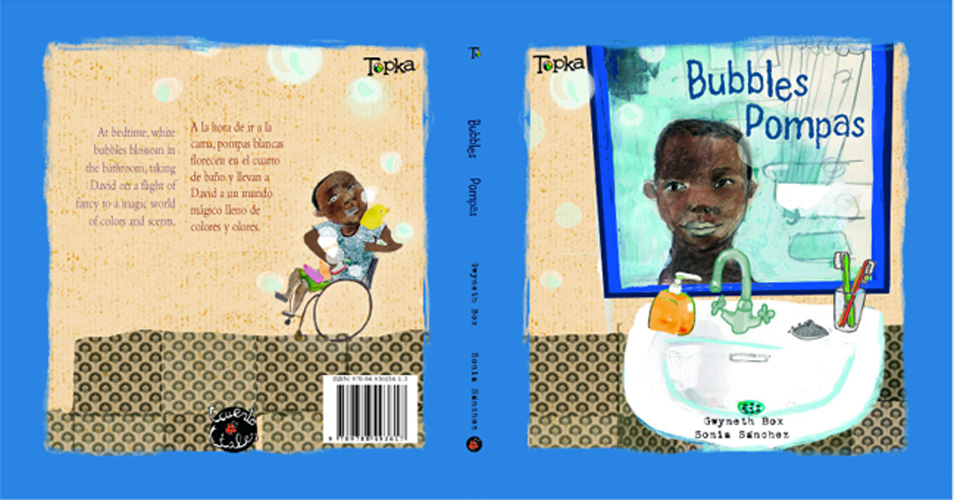
Apparently her son had chosen it in the bookstore and she hadn’t realised who’d written it until she was at the checkout. He loves it, and she likes the fact that it’s a children’s book that isn’t “dumbed down”.
A second delight came later in the evening when I was having a beer with a colleague I’m working with now. Since he works as an editor, quotes poetry in the emails we exchange, cares about the language, writes a blog for the company website etc., I’d assumed he was, like so many, an aspiring writer.
He corrected my idea, claiming not to be un escritor but un lector.
In these days of easy self-publishing, and ready access to an audience on the web, how many people with an interest in language can claim to be simply readers? And yet how important it is that there are people willing to read what the rest of us write.

 don't confuse the narrator