voices of poetry

I recently acquired a copy of Eliot’s lecture entitled The Three Voices of Poetry. It was a serendipitous acquisition, as it ties in closely to my interest in the dichotomy of writer and narrator.

Although the title refers to three voices, Eliot actually starts off by stating, “There may be four voices. There may be, perhaps, only two.” He then explains that the three voices referred to are:
Continue reading “voices of poetry”
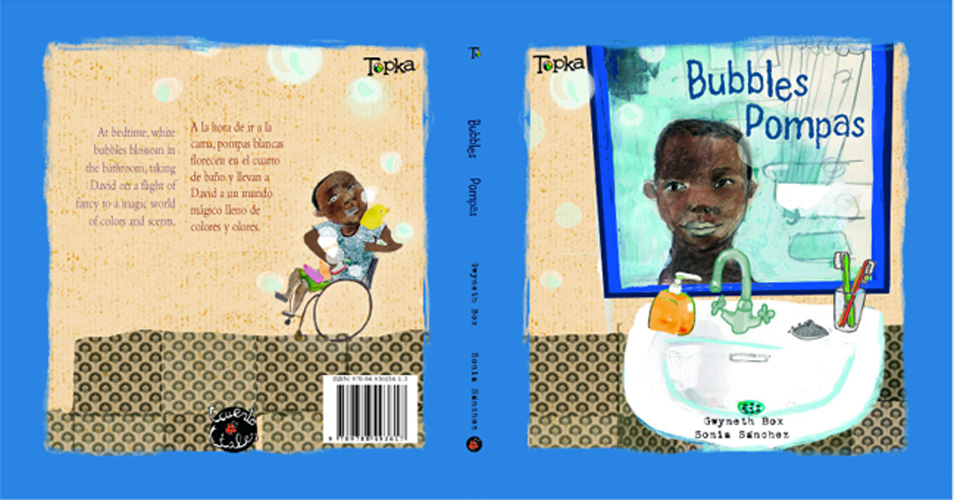
from poem to picture book

Any author will tell you that the process which results in a book reaching the bookshop shelves is long and, at times, tortuous.

My own experience makes it five and a half years from the original poem being written to its appearance this month as Bubbles, a bilingual children’s picture book, now available from Topka.

from poem to picture book

Continue reading “from poem to picture book”

hai’ku

Castilla y León 17/11/2008

Sunward
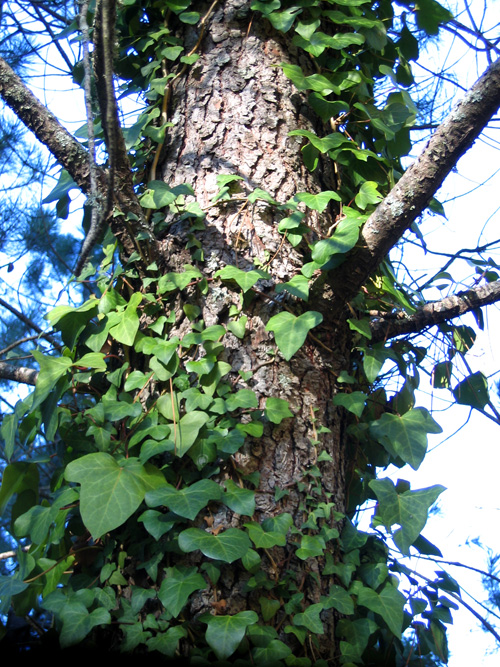
ivy snakes
scaling trunks of pines

poetry listenings

Being based in Spain, I don’t get to that many English poetry readings or open mike events, so the recent opportunity to go to several in a short period of time has been really interesting.

The two poetry venues I know best are the Torriano Meeting House and the Poetry Café, both in London. Both are almost airless, ill-designed rooms which are over-full with fifty people in the audience. Then again, from what I’ve seen, they don’t often get that many. Certainly not for the whole evening.
Continue reading “poetry listenings”

what’s in the poem

I’ve been in the UK for the last three weeks during which time I’ve managed to attend five poetry readings in three different venues. One was an open mike (the regular Tuesday night Poetry Unplugged at the Poetry Café, London), and three of the other events included ‘poems from the floor’ as well as the invited poets, so I’ve probably heard some seventy poets read recently.

I’m amazed how differently different people approach the opportunity to share their poetry with an audience.
Continue reading “what’s in the poem”