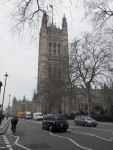
I still haven’t explored all the functions of my new digital camera, which means that I occasionally press the wrong button and change the settings by mistake. Suddenly, for example, I find I’ve taken a whole series of pictures of a stationary subject, like this set of the Houses of Parliament.
Frustrating as this is, it has made me start thinking again about the different versions of a poem that arise from the translation process. Continue reading “towers & translations”
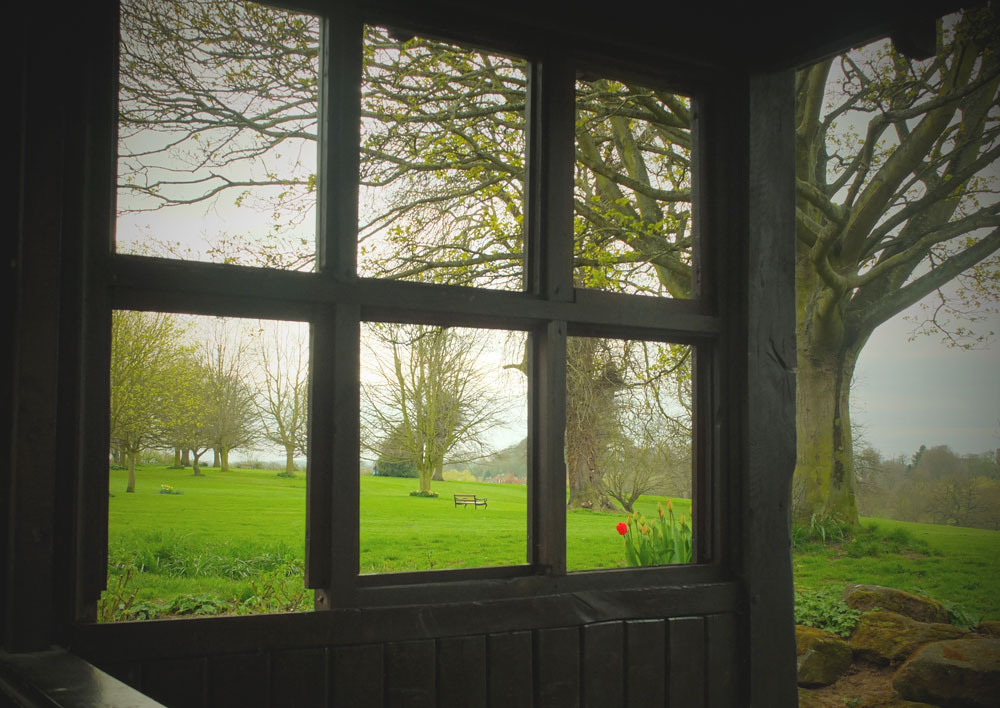
The view while I waited for a bus yesterday evening was pretty, but the wooden bus shelter added new perspectives as each separate frame of the window offered a different story: Continue reading “through the square window”
Over the last couple of weeks I’ve been re-visiting some old poems and re-drafting, revising and re-writing.
Some of the changes are substantial – whole stanzas, refurbished, renovated, knocked in together or removed completely. With changes like this it’s usually clear whether the result is an improvement.
Other changes, though, are less clear cut. I feel like Oscar Wilde when he said he’d been hard at work all day on a poem: “This morning I took out a comma and this afternoon I put it back in again.”
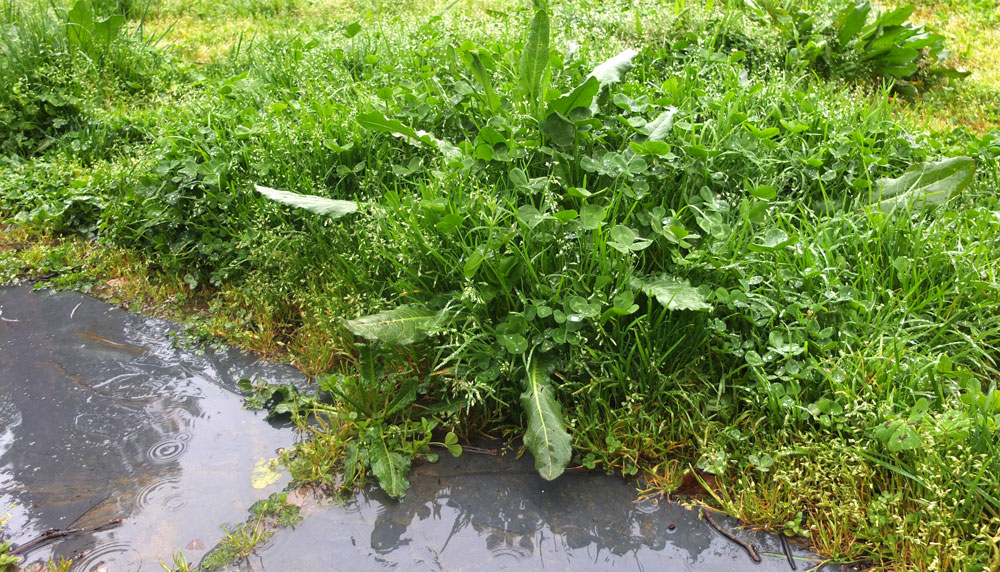
I know that every little detail of a poem is important, but sometimes I feel that recognising the exact best version is like trying to find the prettiest flower in a patch like the one in the picture.
In addition to the 5-7-5 syllable “rule”, the NYT explain:
A proper haiku should also contain a word that indicates the season, or “kigo,” as well as a juxtaposition of verbal imagery, known as “kireji.”
They then admit:
That’s a lot harder to teach [as] an algorithm, though, so we just count syllables like most amateur haiku aficionados do.
It’s rather late in the day, so I’ll simply offer a picture of the weeds in my garden – a “juxtaposition of vernal imagery”, which is as close to a kireji as I can manage right now.Note that the weeds are certainly green and also rather cabbage-looking; perhaps they would have been good subjects for April Fools’ Day pranks.
It’s Easter and I’ve realised that I don’t remember any of the Easter eggs I was given as a child, though I’m fairly sure there must have been some and I’m sure I was quite excited about them at the time.
Later on, I may have been given chocolates, flowers or other gifts by friends and lovers; no doubt they put a dutiful amount of thought into the choosing and the giving.
Perhaps I even gave presents to other people. If I did, though, I don’t remember.
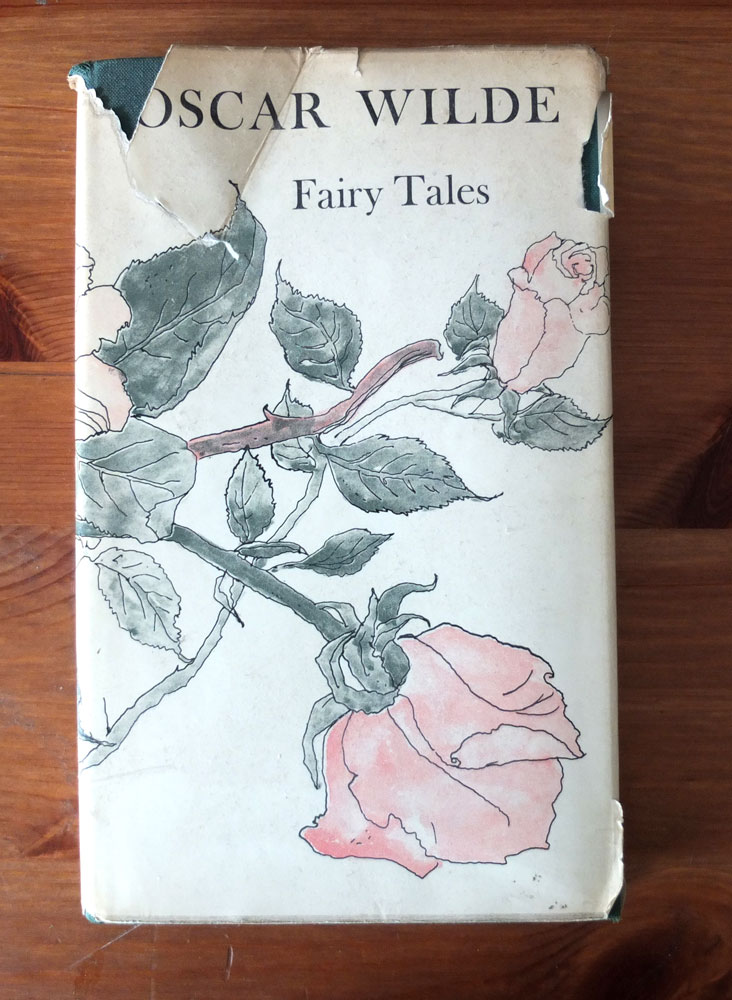
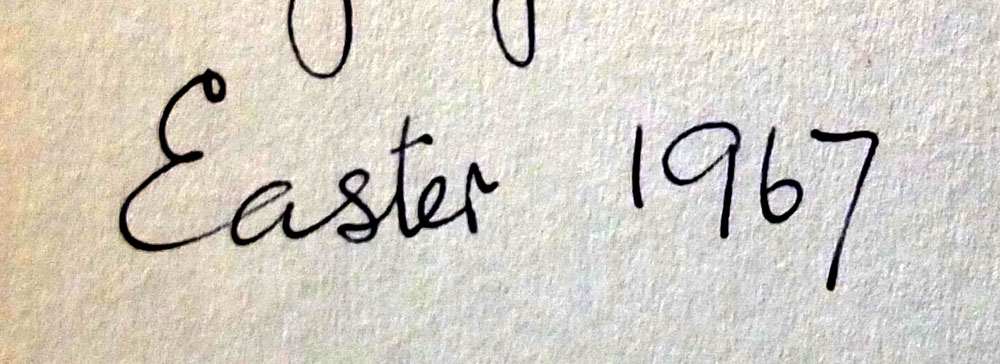
In fact, from all the Easter gifts given and received during more than fifty years, I only remember one – the book in the picture.
The dedication inside shows just how long ago I was given it:
Half a century from now, how many people will reach for their e-reader and bring up a digital file that will have the power to connect them to the past in the way this book connects me?



 don't confuse the narrator