word games

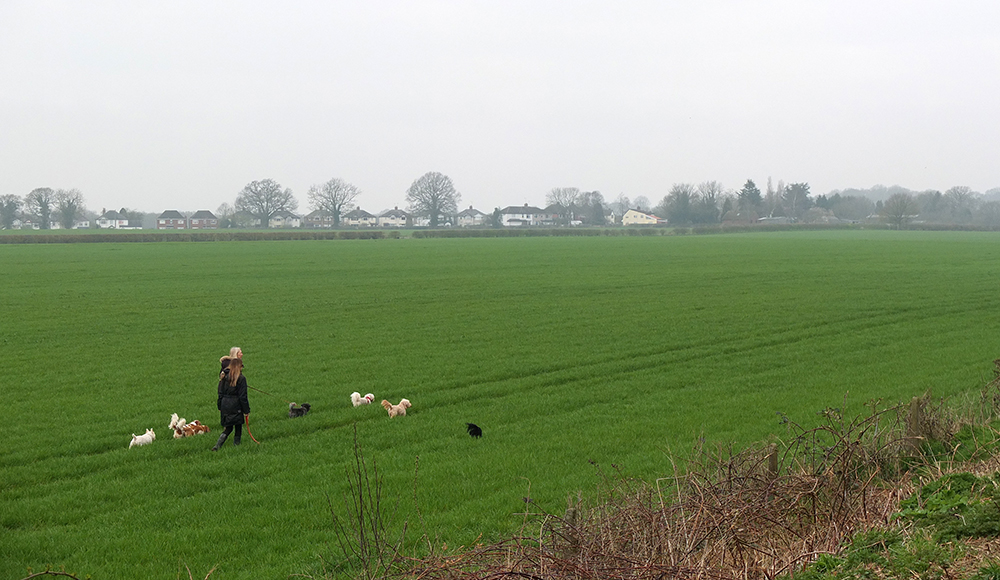
Dog walkers

If you get a group of writers together, it’s pretty much impossible to come up with a definition of poetry that they will all agree on. One of my personal favourites describes poetry as “the genre where the writer has more control over the presentation on the page than the layout artist does”, but I’ll admit it isn’t tremendously helpful.

This quote from Phil Roberts is another of my favourites:

The most complex and ‘adult’ word-game of all: the poem.
Continue reading “word games”

entitled

Last Bank Holiday weekend, I posted Spring lamb with floral trimmings, which included a poem I’ve had in my files for a long time under the title Easter Edition. I’ve always thought it was a weak title but hadn’t come up with anything better. Now I’m wondering whether using the post title, or something similar, such as Lamb with apple-blossom garnish, would be a good idea, or whether it would just be gimmicky.

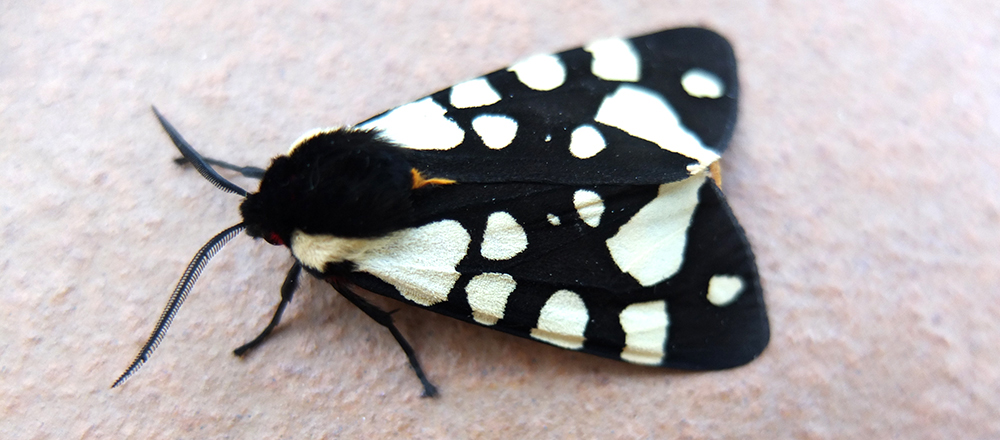
Tiger moth (insect)
eye-catching, engaging, appealing… qualities of a good title
This got me thinking of poem titles in general. Rather than write a whole new piece on the subject, I’ve adapted the following from Making titles count, a piece I wrote recently for my poetry column in The Woman Writer, the magazine of the SWWJ:
Continue reading “entitled”

pussyfooting

white cat
Over the years, I’ve given a lot of feedback on a lot of manuscripts, both poetry and prose. I’ve also been grateful to receive commentary on my own writing.

It’s never very nice to be told that your work has failed, that your scansion is all to pot and that your grammar and spelling need major revisions. But how are we to improve if no one points out the weaknesses in our work that we are too blind to see for ourselves?
Continue reading “pussyfooting”

serial poetry

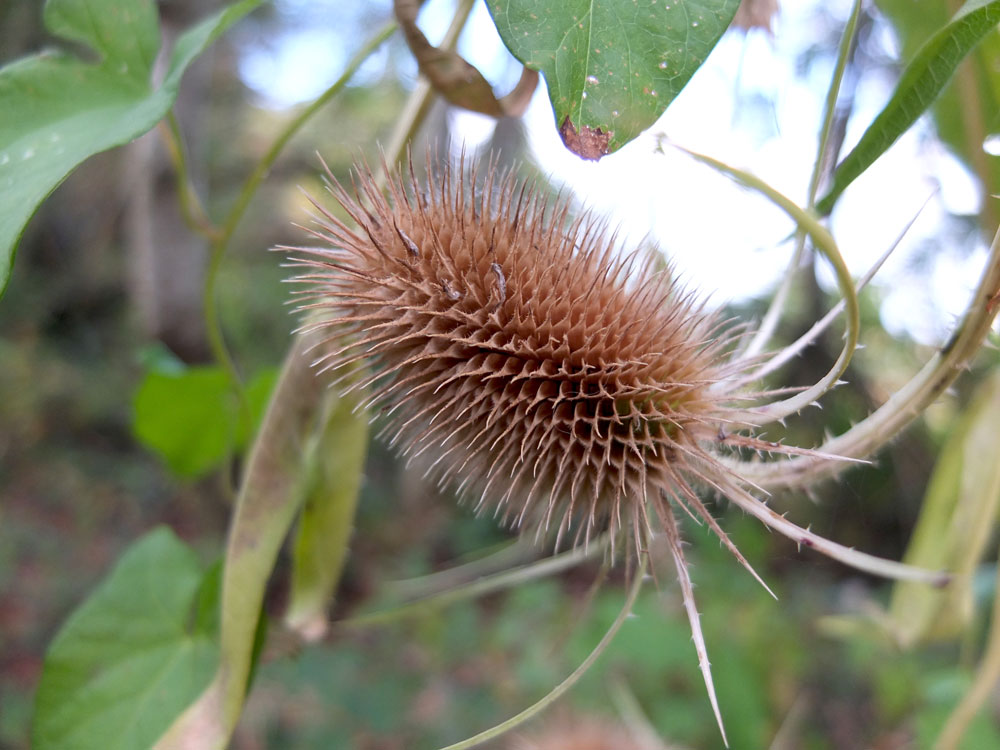
Currently, my mind seems as empty of poetry as the teasel head is of flowers. But I am used to the emptiness, and the idea of “writer’s block” is not something that particularly bothers me.

teasel

Recently, a friend said she would sometimes take “as long as eleven hours” to write a poem. She is a skilled writer, with many small prizes and multiple publications to her credit, so this clearly works for her. But her writing seems to be more methodical than mine, and I gather that she works on each piece diligently until it is complete before starting the next one.

This is not at all the way I work.
Continue reading “serial poetry”

facing up to fiction

cornfield (maize) after harvest
Several lists of “rules for poetry” have been doing the rounds this week, perhaps in response to these 25 rules for editing poems from Rob Mackenzie for Magma Poetry.

It’s hard to disagree with anything Mackenzie says, particularly as the list is followed by the rider “good poets are always ready to break rules whenever a poem demands it.”

That said, the “rule” that caught my eye was:

15. Consider the poem’s “truth”. Not the literal facts (although those may be important at times) but the emotional resonance. Is the emotion genuine or just received wisdom?

Continue reading “facing up to fiction”