
As we struggle to understand what it means to be social creatures who meaningfully participate in communities and networks, ants and mice (and the scientists who study them) may be able to tell us something about ourselves.
As we struggle to understand what it means to be social creatures who meaningfully participate in communities and networks, ants and mice (and the scientists who study them) may be able to tell us something about ourselves.
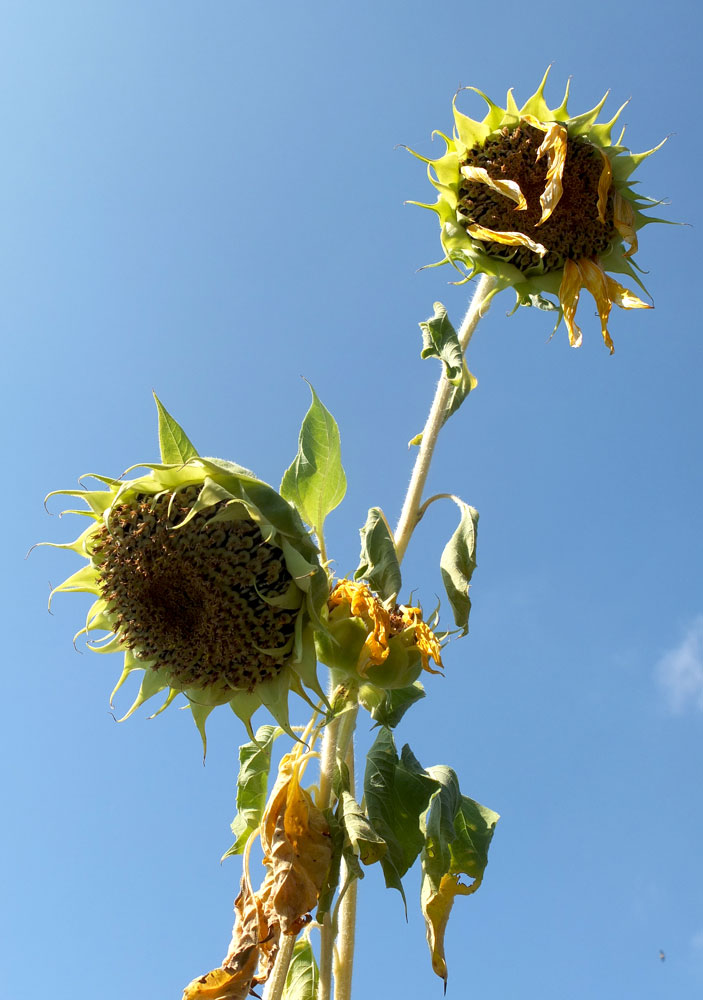
Some years ago I was in the south of France at this time of year. Everywhere we went there were fields of dead sunflowers lined up like troops deployed to watch the roads.
Instead of the open faces and bright golden helms and plumes of summer knights, these figures had heavy dark heads set precariously on bony stalks that were slowly bleaching to ivory as the year began to fade.
Travelling by car, we sped past far too fast for me to do more than note the overall effect.
Today, though, the stark silhouettes looking over my garden fence have reminded me of these skeletal armies. I can only imagine what it must be like to walk past field after field of them, particularly when the wind is high and their mis-shapen yellowing limbs twitch and shiver and they whisper to each other in a secret language.
It’s September and the summer is drifting away. At times, the year seems content to grow old gracefully.
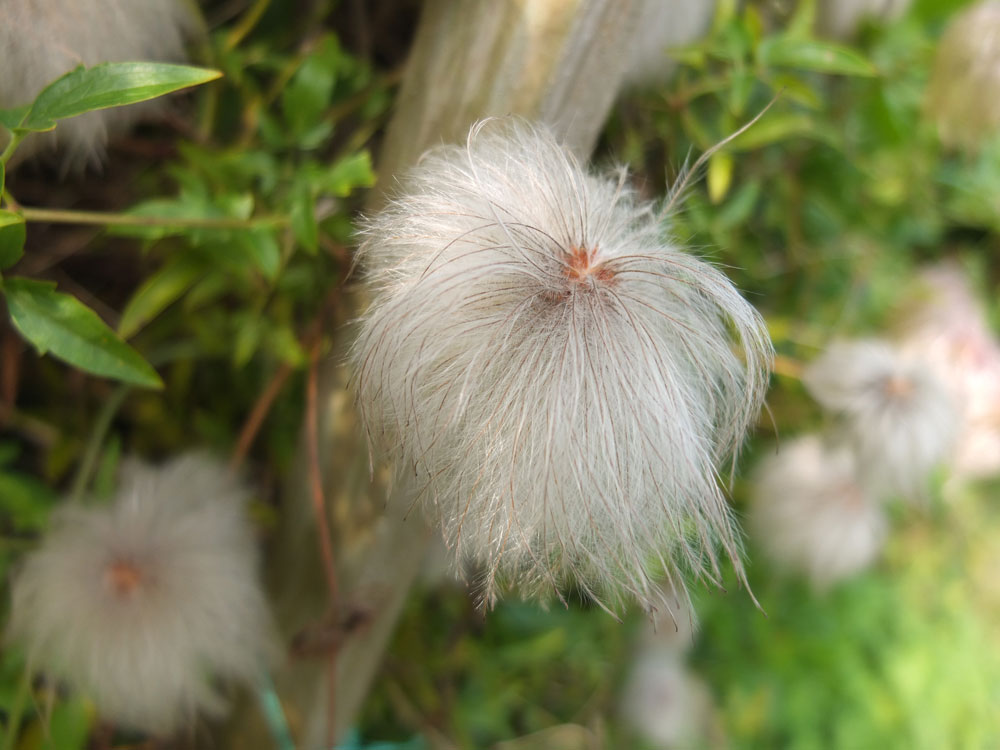
I’m back in the village and back to posting pictures of dead bugs. After all, when they’re this beautiful, how can I resist?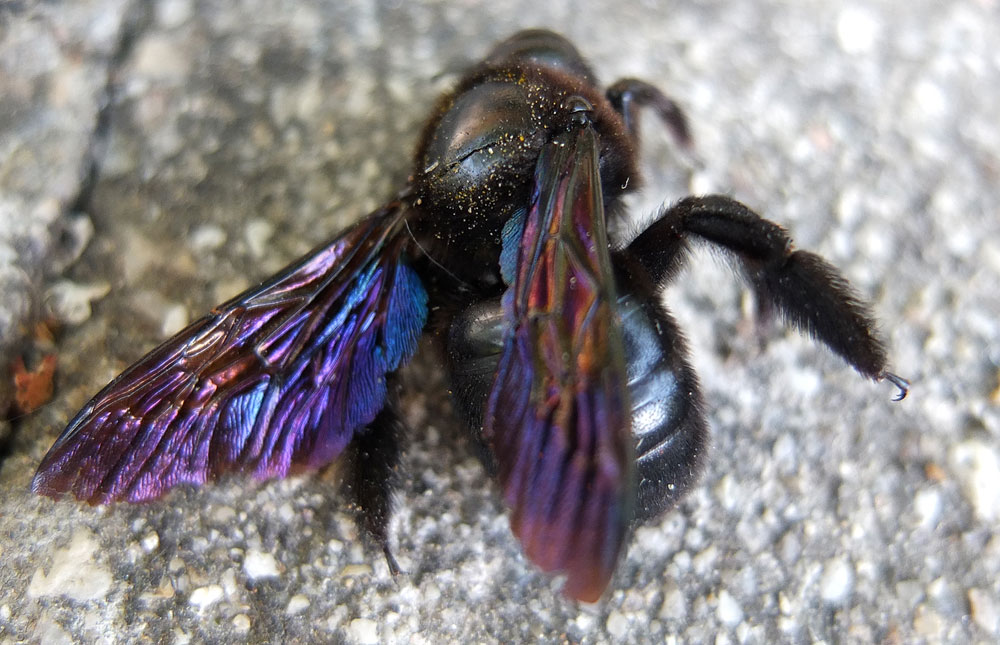
The bugs in the poem below aren’t dead. They are, however, as bright as jewels in the early morning sunshine.
Continue reading “iridescences”
Do not be deceived.
Continue reading “waspish”
 don't confuse the narrator