work in progress

Although I understand that the UK weather was dreadful over the holidays, I’m not sure that it was really cold; certainly there are already signs of spring about. Of course we’re bound to get some real winter weather later, so I hope Nature has the good sense to be patient.

spray of buds

Chrysalis

Tight as apple pips,

buds spiral around
a moss-supple stalk

anticipating spring
when they will split 

and shake free

tissue wings.

 
That’s a draft, and questions remain:
Continue reading “work in progress”
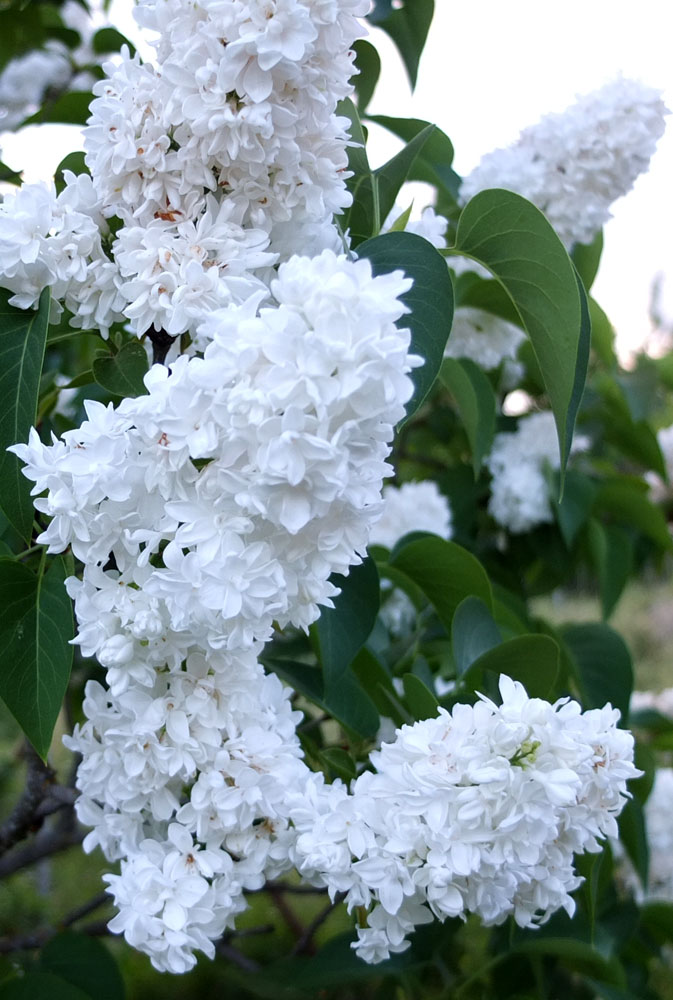
light moments

white lilac
Morning lilacs loom
as bright as lightbulbs.
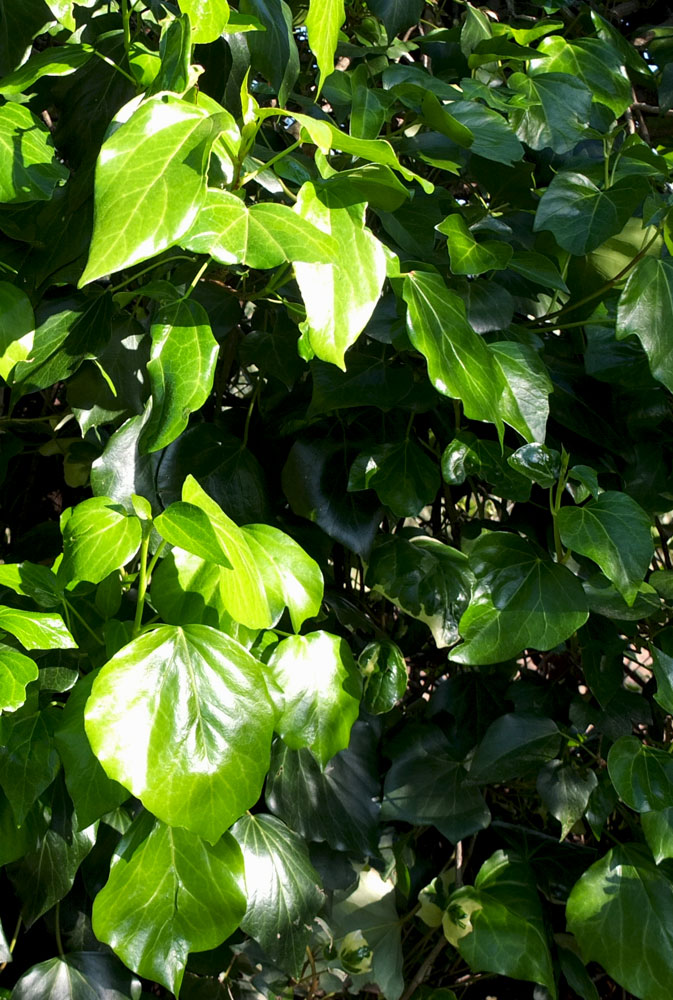
ivy leaves
Evening ivy drips
with sunlight

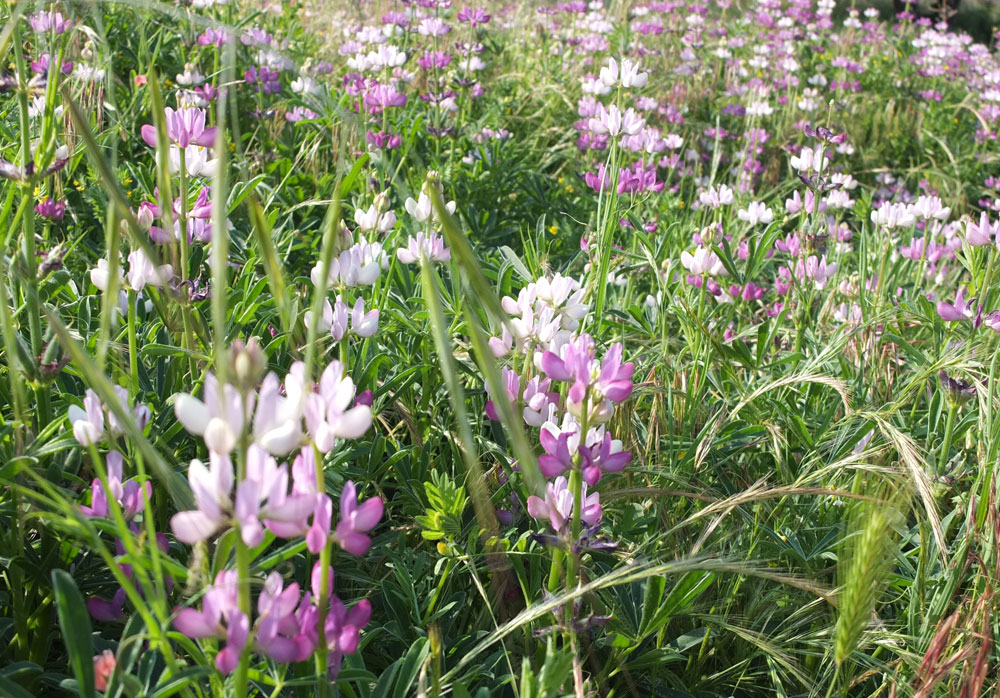
wild lupins
A lupin wildfire ravages the neighbour's field

there’s a bug

yellow wild flower and bug
When I walked across the neighbour’s field the other day, it was almost waist-deep in spring flowers: poppies, wild lupins, hawkweed, oxeye daisies, little purple vetches… The brightest of all were these golden blooms which were glorious from a distance, but not so nice up close as nearly every one harboured some kind of bug-eyed monster.

(Incidentally, I’m beginning to think I should change the blog tag-line to “Mostly first person poetry, prose, pedantry and plant pictures.”)

writing it slow

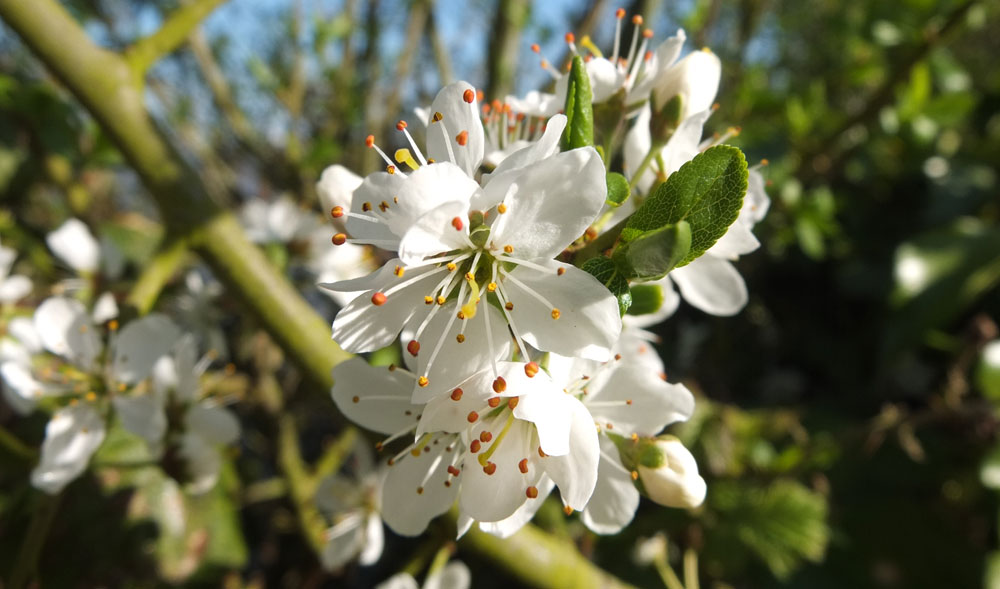
blackthorn blossom
Years ago, I wrote a long and rambling free verse poem that started “My mother makes sloe gin”. It was a runner up in a poetry competition, but despite the minor success, I was aware that it was rather flabby; I think I’ve been trying to force it into some kind of form for near on a decade.

That said, I had completely forgotten this version, which I think must have been written some time last year for a sonnet competition and abandoned when it wouldn’t conform to the formal constraints. Since the sloe trees are in full bloom this weekend, it seems a good time to post it:
Continue reading “writing it slow”

haiku for fools

Although I can’t find the date on the About Times Haiku page, I can only assume April 1st is the kigo (seasonal reference) that has justified this page of “Serendipitous Poetry from The New York Times.

In addition to the 5-7-5 syllable “rule”, the NYT explain:

A proper haiku should also contain a word that indicates the season, or “kigo,” as well as a juxtaposition of verbal imagery, known as “kireji.”

They then admit:

That’s a lot harder to teach [as] an algorithm, though, so we just count syllables like most amateur haiku aficionados do.

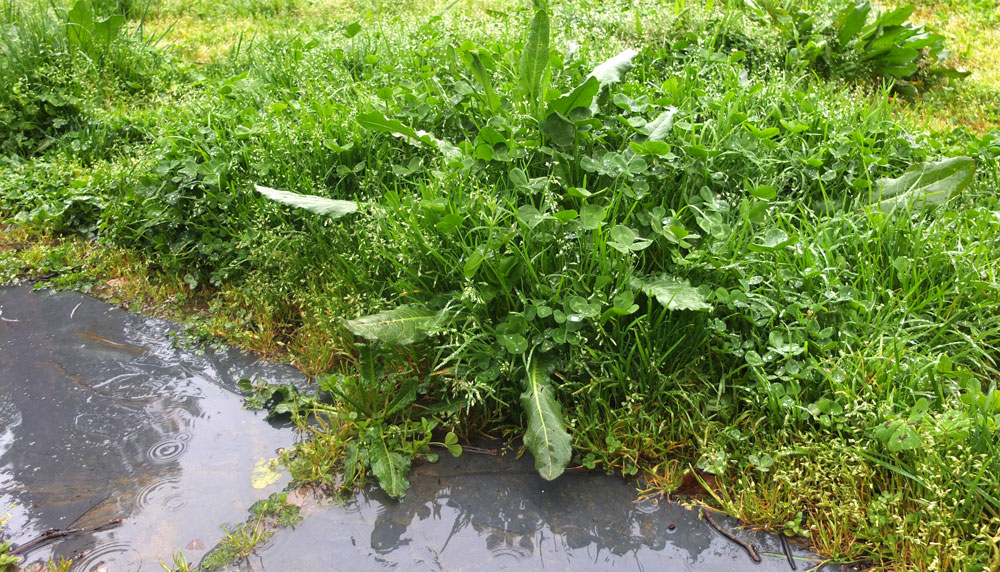
It’s rather late in the day, so I’ll simply offer a picture of the weeds in my garden – a “juxtaposition of vernal imagery”, which is as close to a kireji as I can manage right now.

April weeds
Note that the weeds are certainly green and also rather cabbage-looking; perhaps they would have been good subjects for April Fools’ Day pranks.