not by bread alone

If of thy worldly goods thou art bereft
and of the store two loaves alone are left,
sell one and with the dole
buy hyacinths to feed the soul.
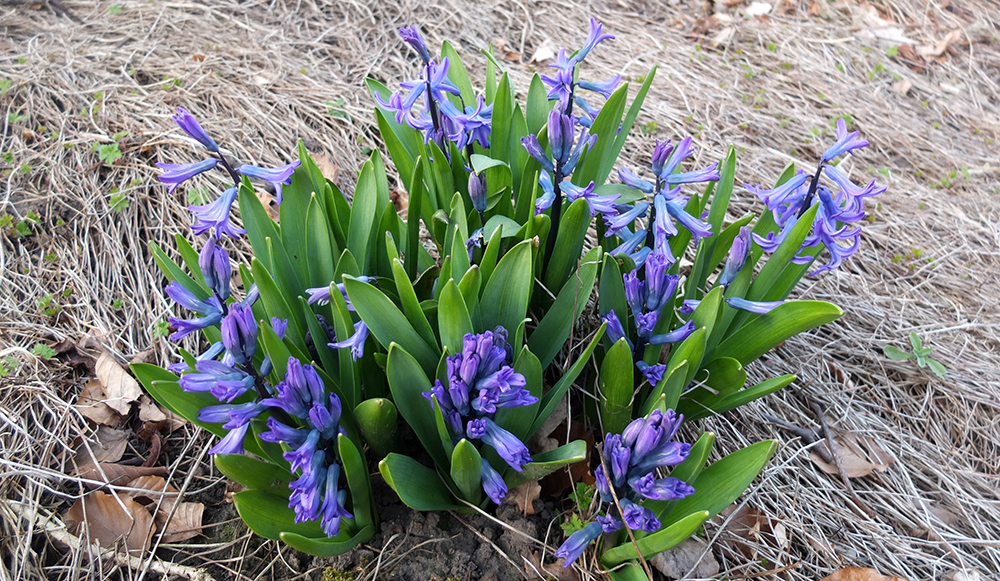
blue hyacinths

I seem to have known that verse all my life, and always associated it with the phrase “Man shall not live by bread alone.” Of course the latter is from the Bible; the verse, it seems, is by Rumi. Presumably the original wasn’t written in English, which would account for the variations I found when I went looking to see where it came from.
Continue reading “not by bread alone”

translation and otherness

Firstly, some daffodils for St David’s Day:

Daffodils
Secondly, a Welsh castle:
Continue reading “translation and otherness”

the morning after

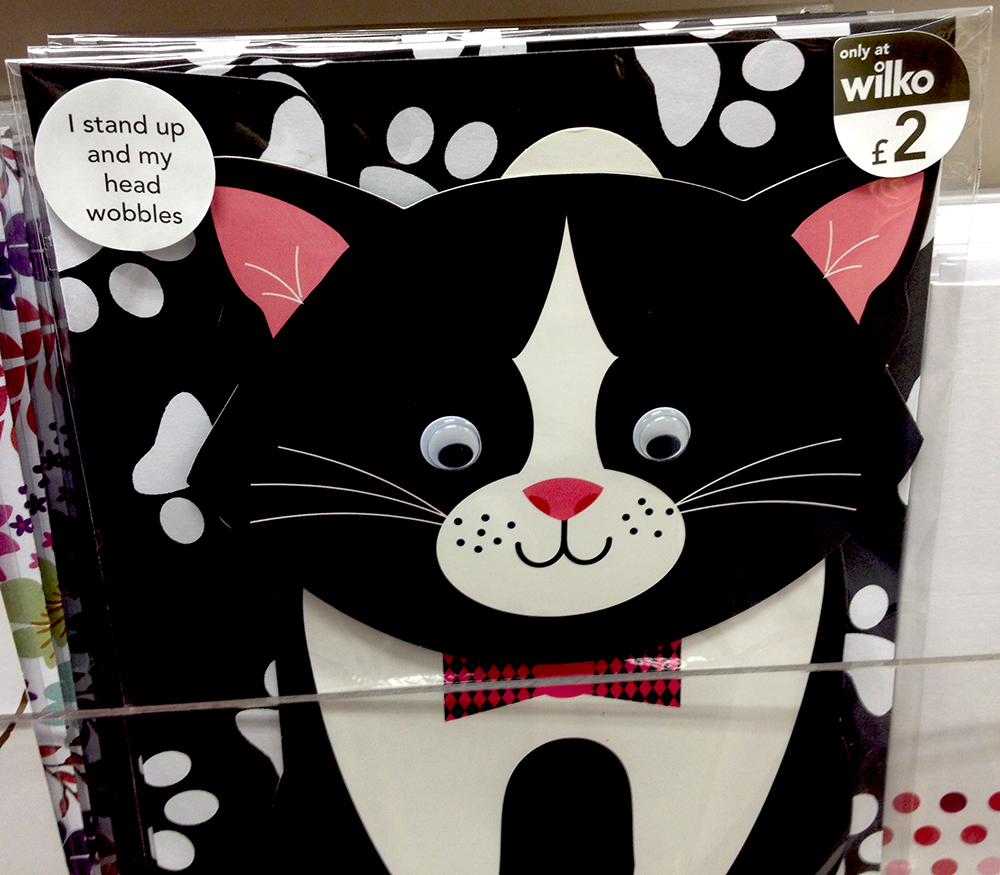
Many years ago, someone gave me a badge that said “Please maintain in an upright position when full of liquid.” I was reminded of this when I saw the sticker on this card:

Cat card with sticker: I stand up and my head wobbles

stereotyping

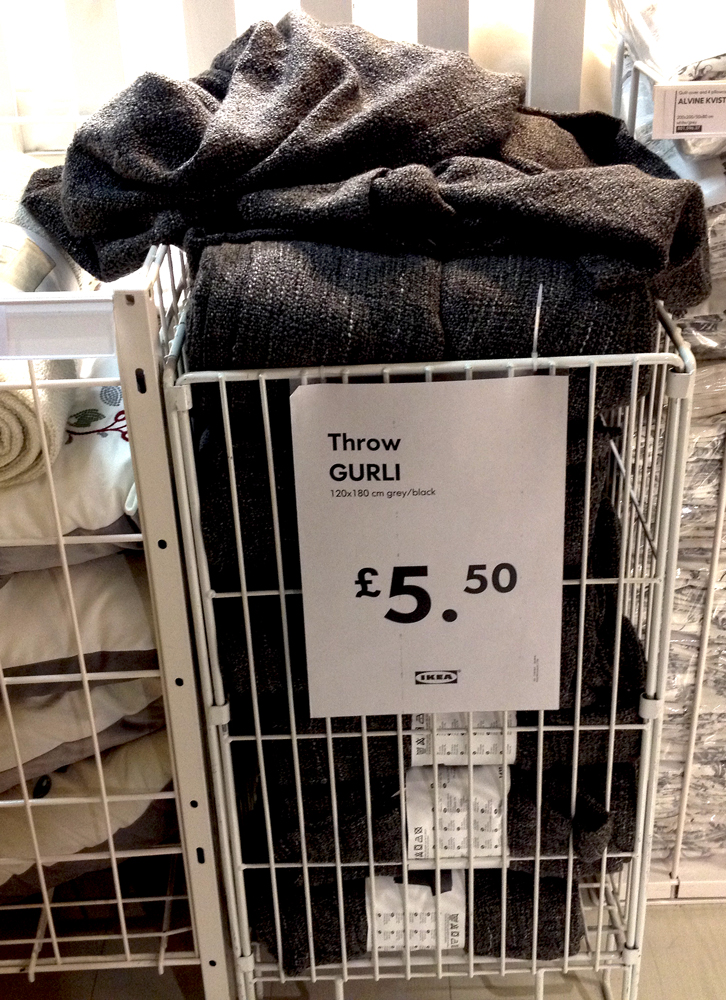
IKEA product: GURLI throw

Rumour has it that IKEA is an acronym meaning I Keep Every Allen-key. While this may not be true, I think anyone who has ever shopped at IKEA or browsed their catalogue has wondered at the product names.

The Swedish names are difficult enough, but there are some that just don’t make sense: why, for example, would you call a wok Tolerant, a lamp Barometer, a clothes horse Frost, or a plain black highchair Leopard?

Those are just mildly bizarre name choices, whereas the one in the photo – the Gurli throw – risks offending anyone who is concerned about gender stereotyping.

(For those who want to explore the full list, it’s available here)

baa, humbug

Alternatively, Happy (lunar) New Year.
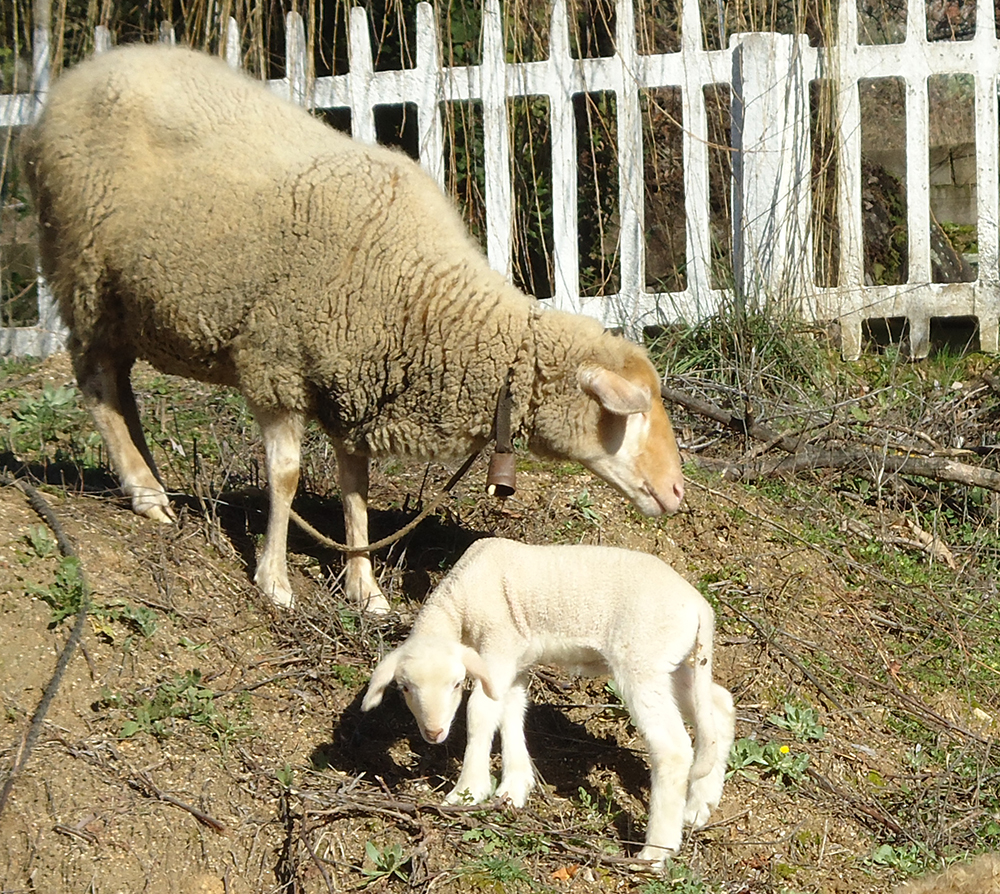
sheep and lamb
And a fragment of a poem, which at least has sheep tracks if not the animals themselves:

   I’ve walked the sheeptracks of your dreams
in search of unicorns, but they have fled.
   Now they graze where honey flows in streams
       through pillowing hills.

Though perhaps it should be goats not sheep in the photo, and Chinese dragons not unicorns in the poem.