the poet’s voice

Sometimes the sky seems solid: there are no thoughts; no words; no voice. Sometimes there seems to be no poet.

Aphonia

I have lost my voice.
The murmur of the traffic is enough
to drown the sound of my ideas. Star grit,
like broken oyster shells, embeds itself
in my soft palate and I choke
on smoky clouds as I aspire
to the feathered tops of pine trees.

The moon dissolves,
a luminescent coughdrop,
liquid on my tongue.
 

fear of losing it

Actually, not fear of losing it so much as fear of losing them. Some ten years of digital photos (plus assorted translations, stories, poems, and other memories) stored on an external hard drive which is currently refusing to boot.

There comes a point, of course, where you have to admit that the past does disappear and this is just something you have to deal with.

I am currently taking comfort in the idea that “Nothing is lost for ever […] except for the Cathedral of Chalesm”, coupled with the fact that the little blue light still comes on when I connect the disk, so perhaps it is not altogether dead.

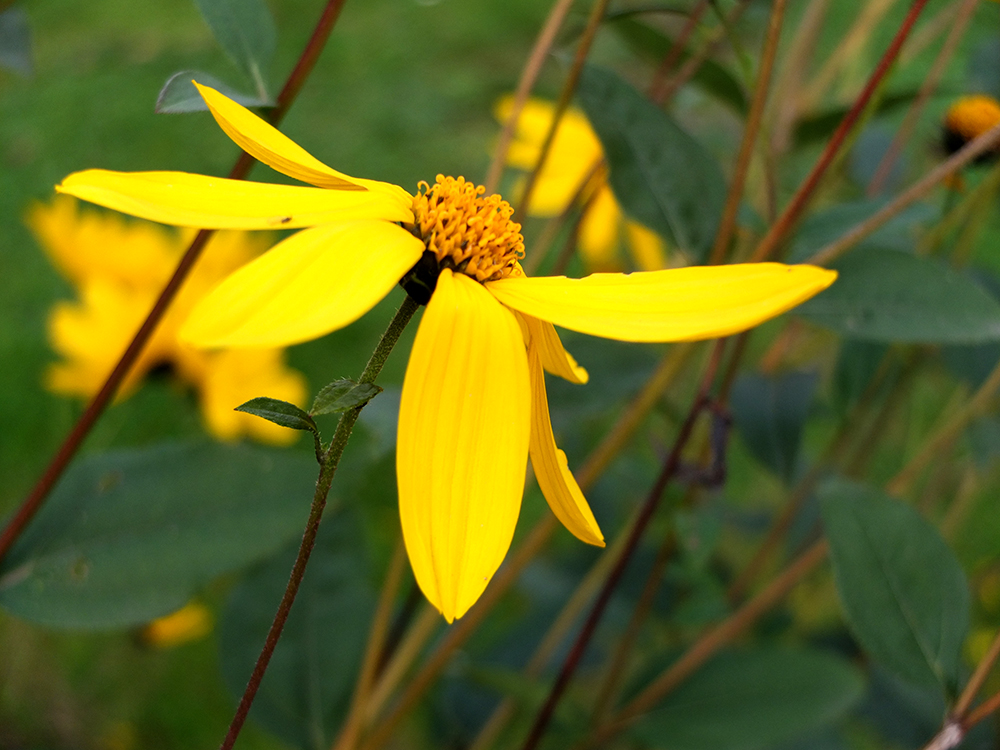
Some more recent photos, including this one, have not been lost:

yellow daisy-type flower

domesticity

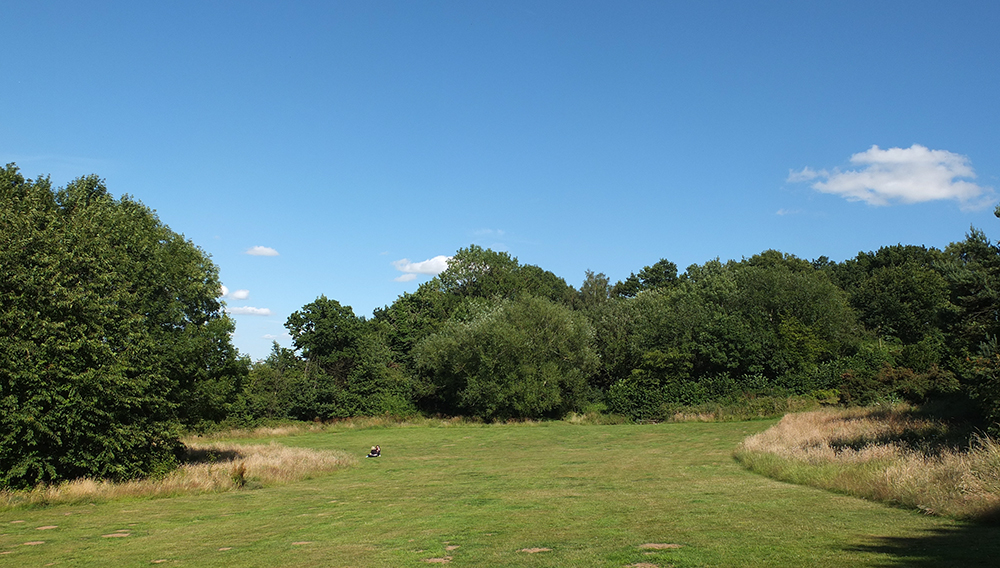
English countryside in summer
Eight months after moving house, I have finally bought an ironing board. Wilko, in their wisdom, describe it – along with so many of their cheaper products – as “functional”. I suppose that has to be better than dysfunctional.

Today is bright and breezy, a good drying day, if only I had a garden to hang the washing in. I don’t, though, so perhaps I won’t bother with such domestic pursuits, and the ironing board can continue in its packaging while I go out and enjoy the sunshine.
Continue reading “domesticity”

upgrades and improvements

convolvulus growing on a vertical wall

Apropos not a lot, I’ve been pondering the influence of computers on poets and their writing.

When I started to read poetry – from Stevenson’s A Child’s Garden of Verses, Belloc’s Cautionary Tales and Palgrave’s Golden Treasury – most of the poems started each line with a capital letter; when I started to write poetry, I did the same.

Later, as I read more modern poets, I learned that this was not compulsory: poems can be punctuated like prose, with capital letters only appearing at the start of a new sentence. I’ve been writing uncapitalised poems for most of my adult life. Which means that I’m always slightly surprised when I see a modern poet capitalise each line.
Continue reading “upgrades and improvements”

connections

I have never paid for upgrades to this blog, so some readers may see adverts at the end of the posts. Even readers who don’t get the ads are probably offered links to “related” posts.

I don’t know what algorithm WordPress uses to choose these stories, but the connections are sometimes tenuous at best. As the image shows, another website I visited recently seemed to have all the bases covered:

related topics: life; alcohol
Continue reading “connections”