The view while I waited for a bus yesterday evening was pretty, but the wooden bus shelter added new perspectives as each separate frame of the window offered a different story: 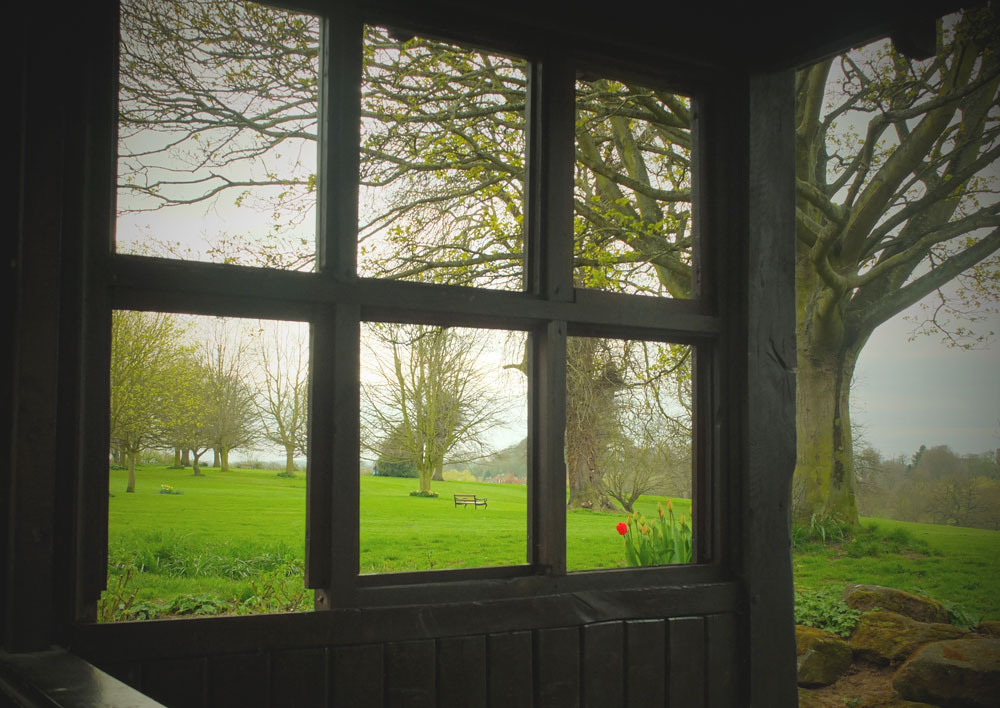
Category: poetry
verses and versions

Over the last couple of weeks I’ve been re-visiting some old poems and re-drafting, revising and re-writing.
Some of the changes are substantial – whole stanzas, refurbished, renovated, knocked in together or removed completely. With changes like this it’s usually clear whether the result is an improvement.
Other changes, though, are less clear cut. I feel like Oscar Wilde when he said he’d been hard at work all day on a poem: “This morning I took out a comma and this afternoon I put it back in again.”
I know that every little detail of a poem is important, but sometimes I feel that recognising the exact best version is like trying to find the prettiest flower in a patch like the one in the picture.
haiku for fools
Although I can’t find the date on the About Times Haiku page, I can only assume April 1st is the kigo (seasonal reference) that has justified this page of “Serendipitous Poetry from The New York Times“.
In addition to the 5-7-5 syllable “rule”, the NYT explain:
A proper haiku should also contain a word that indicates the season, or “kigo,” as well as a juxtaposition of verbal imagery, known as “kireji.”
They then admit:
That’s a lot harder to teach [as] an algorithm, though, so we just count syllables like most amateur haiku aficionados do.
It’s rather late in the day, so I’ll simply offer a picture of the weeds in my garden – a “juxtaposition of vernal imagery”, which is as close to a kireji as I can manage right now.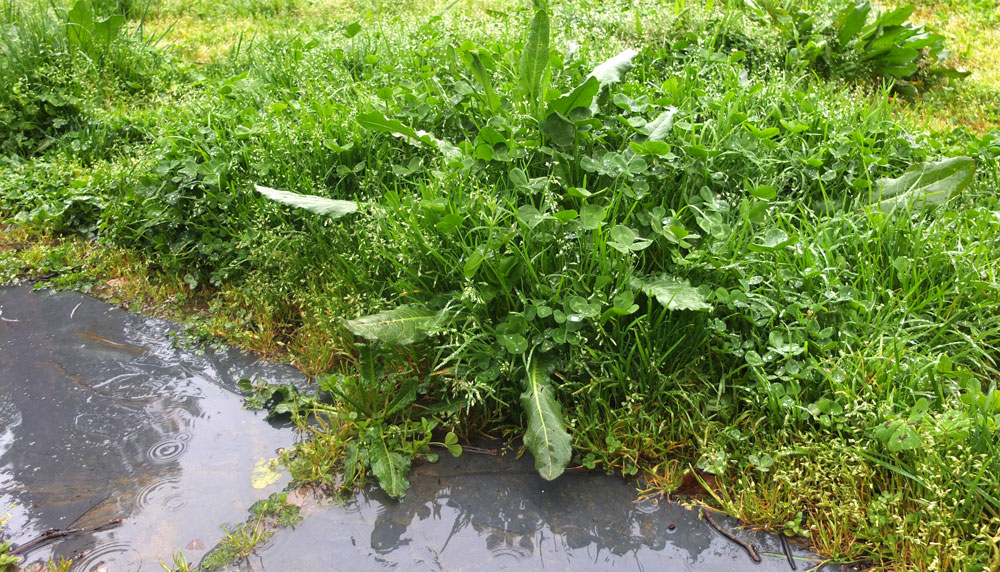
paschal moon
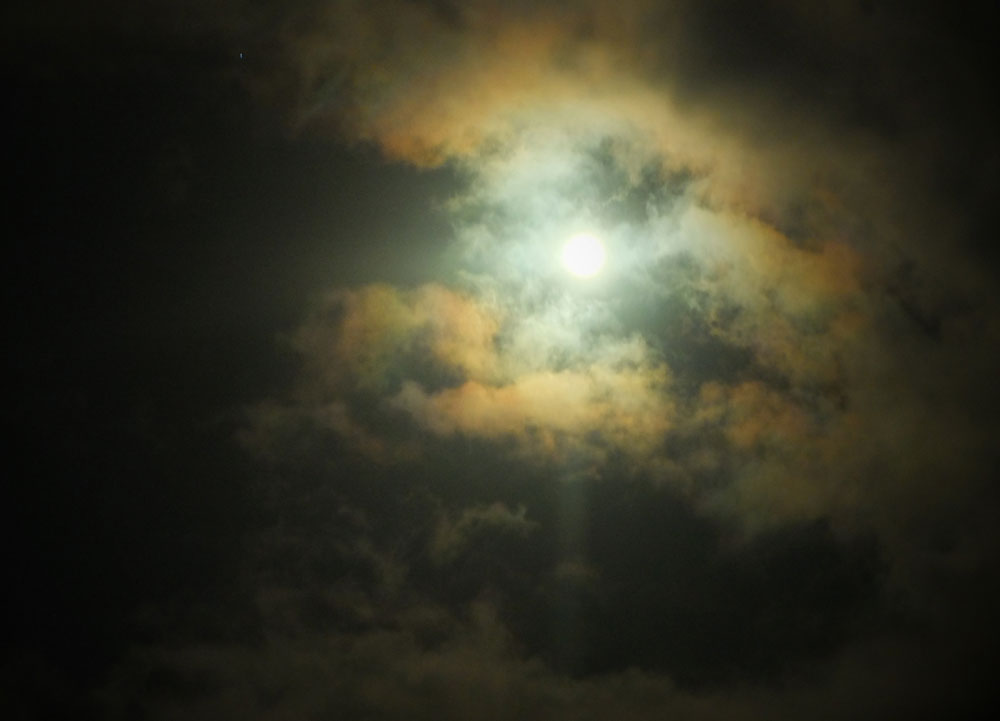
With nicotine-stained fingers, she pushes aside
the net curtains of the clouds and stoops
to look through your bedroom window.
narcissus
This picture was irresistible as it seems clear that each narciso (as they are called in Spanish) is enamoured of its own reflection.
Looking for an apt poetical quotation, I find that Sir Aubrey de Vere described the daffodil as “Love-star of the unbeloved March”.
Well, it’s certainly March, and the weather here is undoubtedly unlovely. (That flower bed is at least two inches deep in water at the moment, and it’s at the top of the garden; I dare not venture down to see if the trees in the orchard are knee deep, but I suspect they must be.)
 don't confuse the narrator