above the hum and buzz of insects
the fluttering chatter of songbirds; higher still,
the sour weep and bark of eagles
As I’ve said before (in the old post bluebirds and probably elsewhere) I’m not particularly fond of birds but they tend to crop up a lot in my poetry. Continue reading “soundtrack”
Is there a poet in the land
who can resist that moon, those stars,
who is not sitting, pen in hand
recounting how love leaves her scars?
[…]
Enraptured by the moon’s bright light,
I, too, am writing poems tonight.
(Well, I was, some 15 years ago, which is when those lines originated as part of a tetrameter sonnet with heavy end stopping and extraordinarily unimaginative rhymes. The worst thing about learning more about poetry is that I try and write fewer bad poems and end up just writing less.)
Yesterday, I wrote 229 words under the title summery II. Much of that post has been condensed into the following 14 words. Which is why this is titled summary.
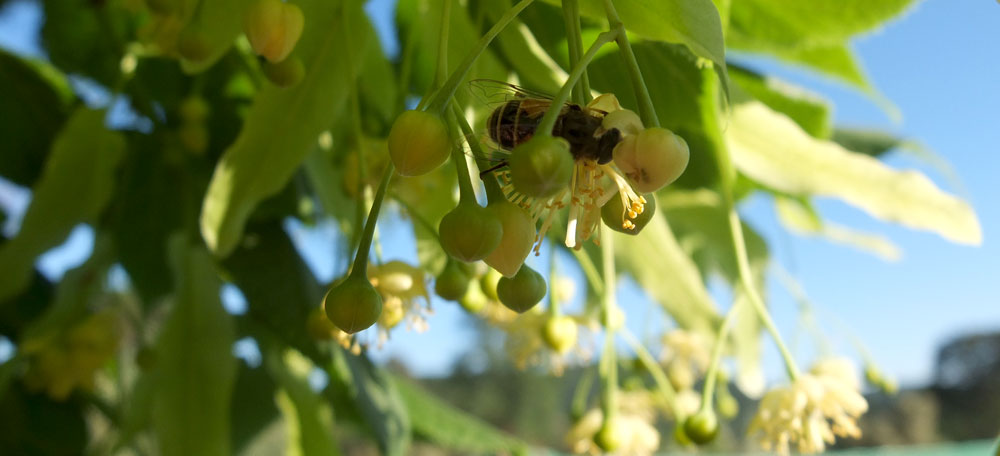
Through the long hours
of the longest days,
the linden hums
with honeyed promises
Another summery picture to mark the fact that although yesterday was the longest day, today the sun will actually set later.** As Rimbaud said in his poem Roman: Les tilleuls sentent bon dans les bons soirs de juin! – lindens smell sweet on fine June evenings. What he didn’t say is that they smell sweet all day long. Continue reading “summery II”
It’s been a while since I talked on the blog about the narrator/writer dichotomy, but it’s still a subject that interests me.
Recently, I started writing a column for The Woman Writer (the magazine of the SWWJ – the Society of Women Writers and Journalists). In the article “I”: an invitation to poetry, published in the April issue, I talked about how first-person, present-tense poetry can encourage the reader to empathise and participate rather than simply observe.
Although it’s not a long article, it brings together a number of my thoughts on the subject, so I’ll include it in its entirety here: Continue reading “poems & pomegranates”



 don't confuse the narrator