
I read somewhere years ago that feng shui experts recommend using red folders for projects as it’s an auspicious colour and increases the likelihood of success.
Continue reading “red blues”
red blues
Social media networks – “the mean redes”
Social media networks – “the mean redes”
I read somewhere years ago that feng shui experts recommend using red folders for projects as it’s an auspicious colour and increases the likelihood of success.
Continue reading “red blues”

I’ve often wondered whether there are places more or less conducive to life as a poet.
In the film El lado oscuro del corazón, the poet Oliveiro sells his poems on the street corners of Buenos Aires, and he does so with a lot more panache than the ragged beggars who hand out photocopied scraps of hand-written verse in the Madrid metro and from bar to bar around the Spanish capital.
Perhaps I shouldn’t be surprised, then, to find that it’s possible to make a living from poetry in la ciudad porteña, although, even there, it seems that doing so is sufficiently surprising that it rates a headline.
Continue reading “newsworthy”

It’s May 29th, and apparently that means it’s Royal Oak Day. That in itself is simple enough, but for an angloparlante, discussing oaks trees and acorns with a Spaniard is complicated.
Continue reading “it’s complicated”
And, while I do have some glorious flowers on my table, sadly, there’s not a pensamiento to be found among them: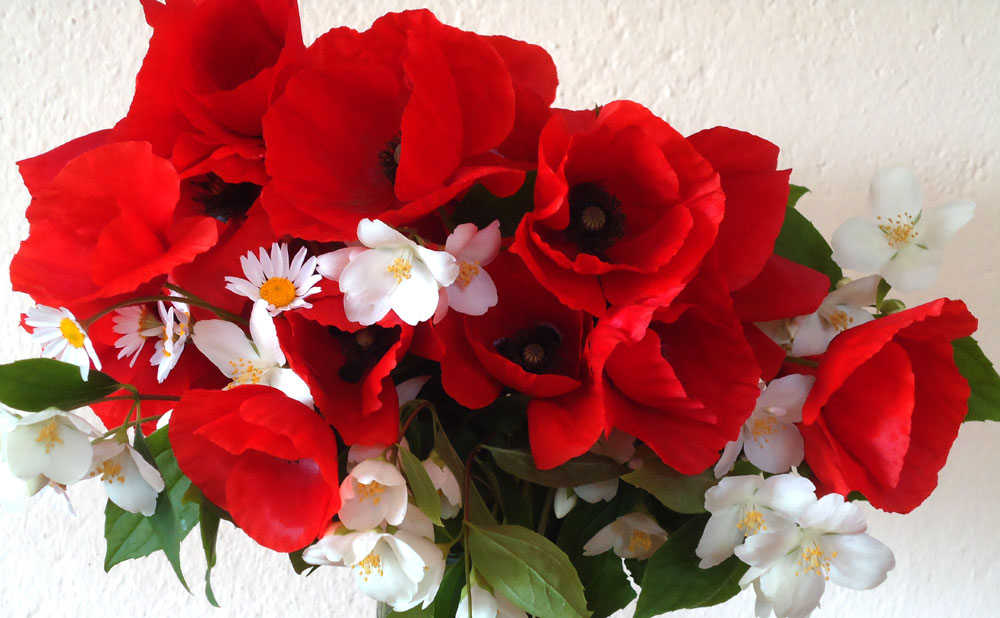
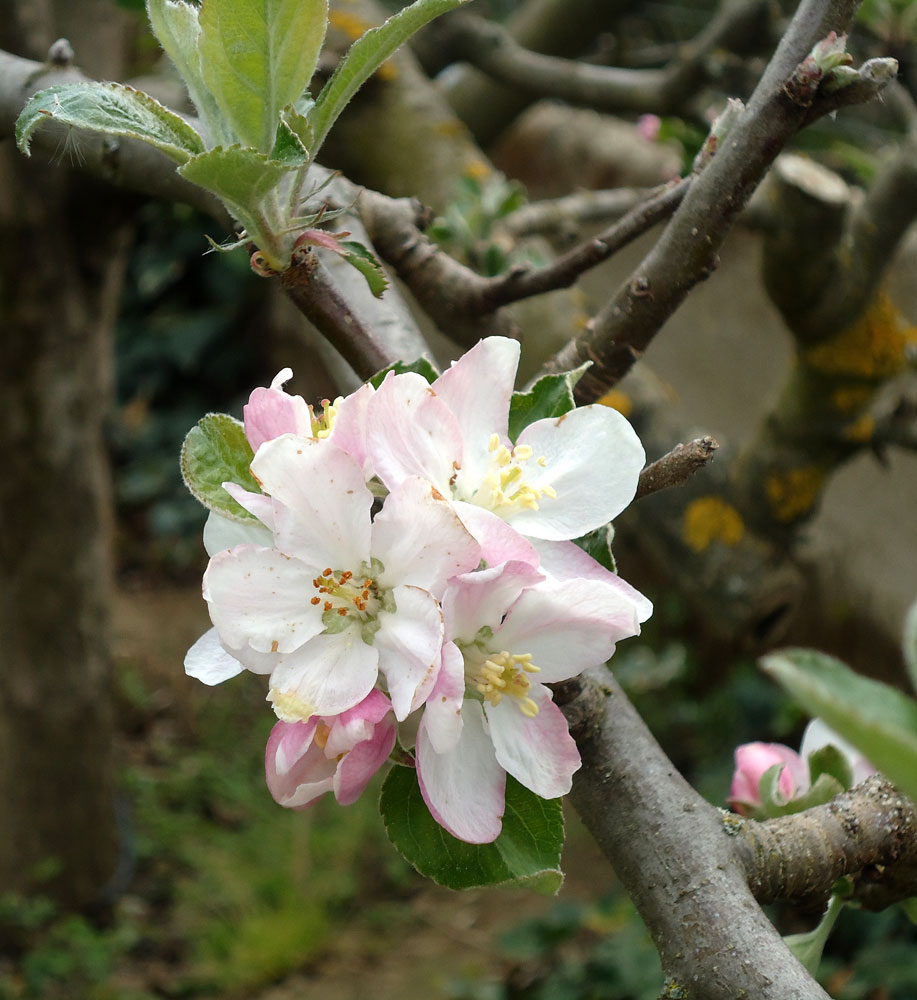
It’s not exactly the sort of word that crops up in childhood conversation, so I’m pretty sure I must have read it. Which could either have been in a story or in a poem. Or, I suppose, at Christmas, when we “deck[ed] the halls with boughs of holly”. Perhaps that’s the most likely, as would explain how I learned to pronounce it, too.
The word ‘bough’ probably crops up in plenty of older stories and poems, but how much new writing contains such words?
Continue reading “Khayyam, again, and disappearing words”
 don't confuse the narrator